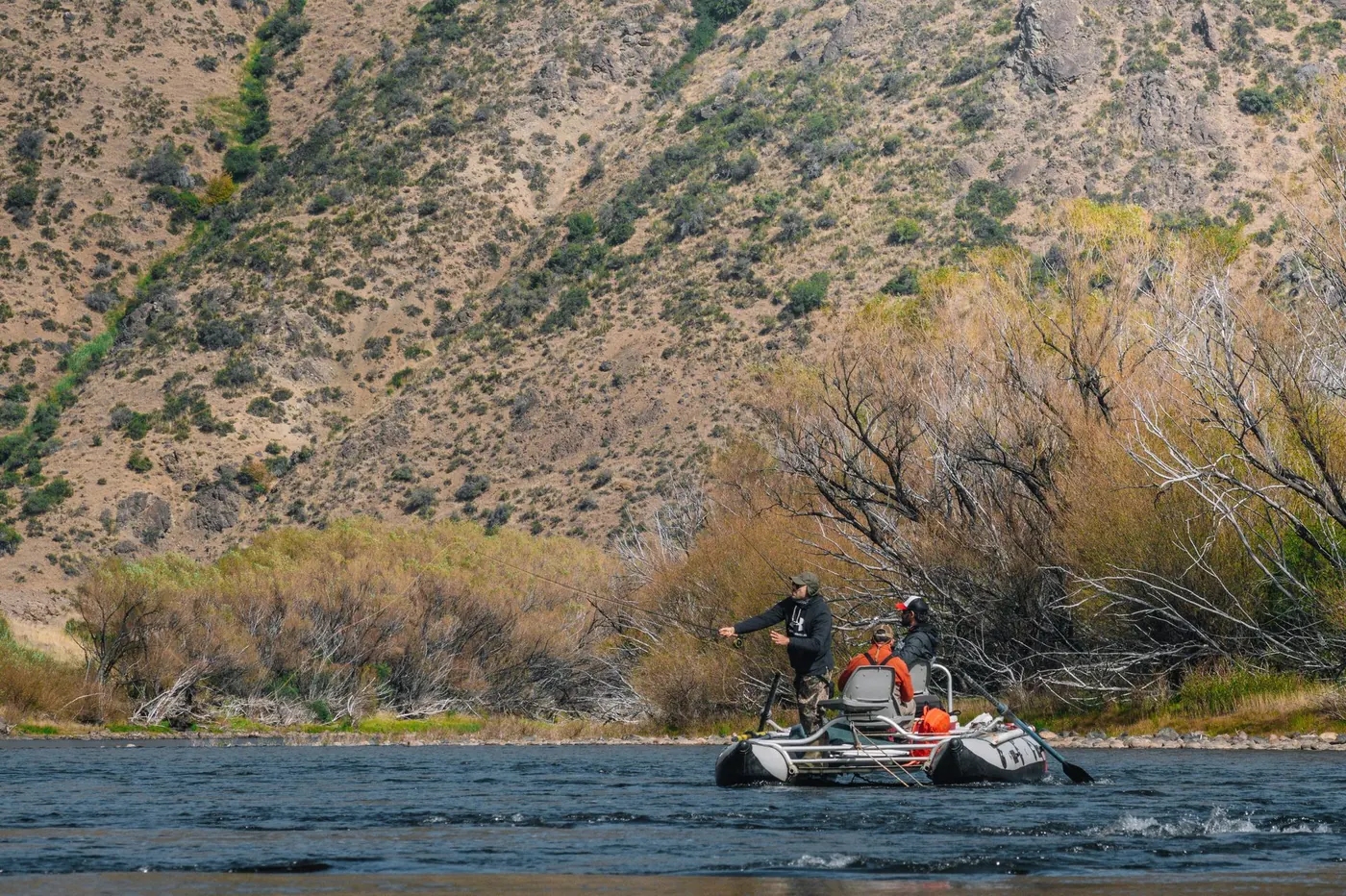
Introduction to Patagonian Waters
Chilean Patagonia is globally recognized as one of the ultimate frontiers for fly fishing. Nestled between the towering, snow-capped peaks of the Andes Mountains and the vast expanses of untouched temperate rainforests, the river systems here are fed by pristine snowmelt and ancient glaciers. This unique geographical tapestry creates a complex network of gin-clear rivers, deep serpentine spring creeks, and expansive, nutrient-rich lakes. For the traveling angler, understanding the nuances of the Patagonian fishing season is not just helpful—it is absolutely critical to planning a successful expedition.
Unlike the crowded rivers of North America or Europe, the waters surrounding Rahue House offer true solitude. However, this wildness means the environment is highly dynamic. The fishing season officially opens in November and runs through the first week of May, presenting roughly six months of angling opportunity. Throughout this period, the character of the rivers undergoes dramatic transformations. Water levels fluctuate from the heavy flows of spring runoff to the technical, low-water conditions of late summer. Concurrently, insect hatches evolve from massive stonefly emergences to delicate mayfly spinners and heavy terrestrial falls.
To simply ask "When is the best time to fish Patagonia?" is to ask a question with no single right answer. The "best" time depends entirely on what you, as an angler, value most. Are you looking to throw huge articulated streamers for aggressive pre-spawn brown trout? Do you prefer the delicate precision required to fool a cruising rainbow trout sipping tiny dry flies in glassy water? Or perhaps you dream of the explosive surface takes of trout smashing large foam beetle patterns during the heat of summer? This comprehensive guide breaks down the Patagonian season phase by phase, offering you the deep insights needed to align your trip with your personal fly fishing goals.
November-December Early Season (High Water & Voracious Feeding)
The early season in Chilean Patagonia, spanning from the opening weeks of November through the end of December, is characterized by an explosion of life and energy. As the heavy winter snowpack high in the Andes begins to melt, the rivers swell. Water temperatures are cold, typically hovering between 45°F and 52°F, and the flows are heavy and powerful. For the uninitiated, high water can look intimidating, but for the experienced Patagonian guide, this is a time of incredible opportunity.
During the long winter months, the resident brown and rainbow trout have been largely dormant, conserving energy in deep pools. As the spring sun warms the water and the river levels rise, these fish begin to feed with a voracious, almost reckless abandon. The high water pushes trout tight to the banks, congregating them in soft-water seams, deep under-cut banks, and behind large boulders that break the heavy current. This positioning makes reading the water surprisingly straightforward, even if wading can be challenging.
This is undeniably the season of the streamer. Anglers throwing large, heavy patterns—such as articulated sculpins, heavy Woolly Buggers, and large baitfish imitations—often experience violent, territorial strikes. Sinking tip lines or heavy sink-tip leaders are essential to get the flies down quickly into the strike zone before the swift current sweeps them away. The strikes during this period are rarely subtle; they are aggressive, predatory attacks.
However, early season is not solely about dredging the depths. As December progresses and water temperatures slowly climb into the mid-50s, we witness some of the most spectacular aquatic insect hatches of the year. Massive Cantaria beetles (a local stag beetle) begin to blunder into the water, and large stoneflies make their appearance. When these conditions align, anglers can experience heart-stopping dry fly action, casting enormous foam patterns to fish that explode on the surface with astonishing violence. It is a time for stout leaders, strong tippet, and the anticipation of hooking into the heaviest fish of the season.
💡 Key Takeaways: Early Season
- Water Conditions: High, cold, and fast. Fish are pushed to the edges and deep pools.
- Primary Tactics: Heavy streamer fishing on sink-tip lines; large dry flies (Cantaria/Stoneflies) late in the period.
- Fish Behavior: Highly aggressive and hungry after the winter, resulting in violent takes.
- Best For: Anglers who enjoy power-casting large flies and hunting for heavy, aggressive fish.
January-February Mid-Season (Terrestrial & Dry Fly Sight Fishing)
As the calendar turns to January and February, the Patagonian summer is in full swing. The heavy runoff of spring has subsided, and the rivers drop to their optimal, stable summer flows. The water becomes incredibly clear, often referred to as "gin-clear," offering underwater visibility of twenty feet or more. Water temperatures warm to a comfortable 55°F to 62°F, representing the absolute peak of trout metabolism and activity.
This is the classic Patagonian dry fly season that anglers dream about. The warmer temperatures trigger consistent, predictable hatches of mayflies (including Pale Morning Duns and Blue Winged Olives) and various caddis species. During the morning and late evening hours, you can often find pods of trout rising rhythmically in the tailouts and long, glassy glides, demanding precise presentations and delicate drag-free drifts.
However, the true hallmark of the mid-season is the terrestrial fishing. As the long summer grasses dry out and the afternoon winds kick up, the rivers are bombarded by a smorgasbord of land-dwelling insects. Grasshoppers, beetles, ants, and spiders become the primary food source for large trout. This leads to what is arguably the most exciting fishing of the year: casting large, highly visible foam terrestrial patterns tight to undercut banks and overhanging vegetation.
Sight fishing becomes a daily occurrence during these months. As you walk the high banks or drift silently down the river, you can spot large brown and rainbow trout holding in the current seams, swaying gently as they inspect the surface. Stalking these specific, visible fish requires stealth, long leaders (often 12 feet or more), and pinpoint casting accuracy. There are few experiences in angling more rewarding than spotting a two-foot brown trout, executing the perfect cast, and watching in slow motion as its massive white mouth engulfs your dry fly.
March-April Late Season (Autumn Colors & Trophy Brown Trout)
By March and April, the frenetic energy of summer begins to fade, replaced by the profound, quiet beauty of the Patagonian autumn. The landscape transforms dramatically; the lush green forests explode into vibrant hues of crimson, gold, and burnt orange as the Lenga and Ñirre trees change color. The air turns crisp, especially in the mornings and evenings, and the summer crowds (such as they are in this remote region) vanish completely. For many veteran anglers and guides, this is the most magical time to be on the water.
River levels drop to their lowest point of the year. The water is crystalline, making the trout exceptionally wary. The major terrestrial falls and massive mayfly hatches are largely over, replaced by sparse but important hatches of small Blue Winged Olives and midges on overcast days. This is technical fishing at its finest, requiring long, fine leaders (often down to 5X or 6X tippet), tiny flies, and highly stealthy approaches. It is a dry fly purist's paradise.
Simultaneously, a completely different, much more aggressive fishery develops. As the days shorten and water temperatures begin to drop back into the 40s, the massive resident brown trout sense the approaching spawn. These trophy fish, which may have remained hidden in deep, impenetrable structure all summer, become active, aggressive, and highly territorial. They begin to move out of the lakes and into the river systems, or migrate from deep pools into shallower holding water.
Targeting these pre-spawn leviathans requires dedication. Anglers switch back to heavy streamer rods, casting large, articulated baitfish patterns. The strikes are less about feeding and more about aggression—vicious, slashing attacks meant to kill or drive away the intruder. Catching a trophy Patagonian brown trout in its full, vibrant autumn spawning colors is the pinnacle achievement for many anglers visiting Rahue House.
Water Temperatures & Hatches Chart
To help you better visualize the changing conditions throughout the season, we've compiled this quick reference guide detailing average water temperatures and the predominant food sources you can expect to encounter.
| Season / Months | Avg Water Temp | Water Levels | Primary Hatches / Food Source |
|---|---|---|---|
| Early (Nov - Dec) | 45°F - 52°F | High, Fast (Runoff) | Baitfish, Sculpins, Stoneflies, Cantaria Beetles |
| Mid (Jan - Feb) | 55°F - 62°F | Stable, Clear | Hoppers, Beetles, Ants, PMDs, Caddis |
| Late (Mar - Apr) | 48°F - 55°F | Low, Gin-Clear | BWOs, Midges, Large Baitfish (Pre-spawn) |
Gear Recommendations by Season
Bringing the right gear is crucial for success. Here is a breakdown of what we recommend packing based on the time of year you plan to visit Rahue House:
Early Season Gear
- Rods: 6-weight or 7-weight fast-action rods to handle heavy flies and wind.
- Lines: A quality weight-forward floating line, plus a 200-250 grain sink-tip line for streamer fishing.
- Leaders/Tippet: Short, stout leaders (7.5ft) in 0X to 2X. Fluorocarbon for streamers.
Mid-Season Gear
- Rods: 5-weight and 6-weight medium-fast rods. The 5-weight is perfect for technical dry flies, while the 6-weight handles large hoppers and wind.
- Lines: Premium weight-forward floating lines designed for delicate presentations.
- Leaders/Tippet: Long tapered leaders (9ft to 12ft) in 3X to 5X. Nylon monofilament for dry flies.
Late Season Gear
- Rods: A delicate 4-weight or 5-weight for small dries, and a stout 7-weight for chucking large streamers to trophy browns.
- Lines: Floating lines with long front tapers for stealthy casts, and heavy sink-tips for the big pools.
- Leaders/Tippet: 12ft+ leaders tapering down to 5X or 6X for the technical surface work; 0X to 1X fluorocarbon for the streamers.